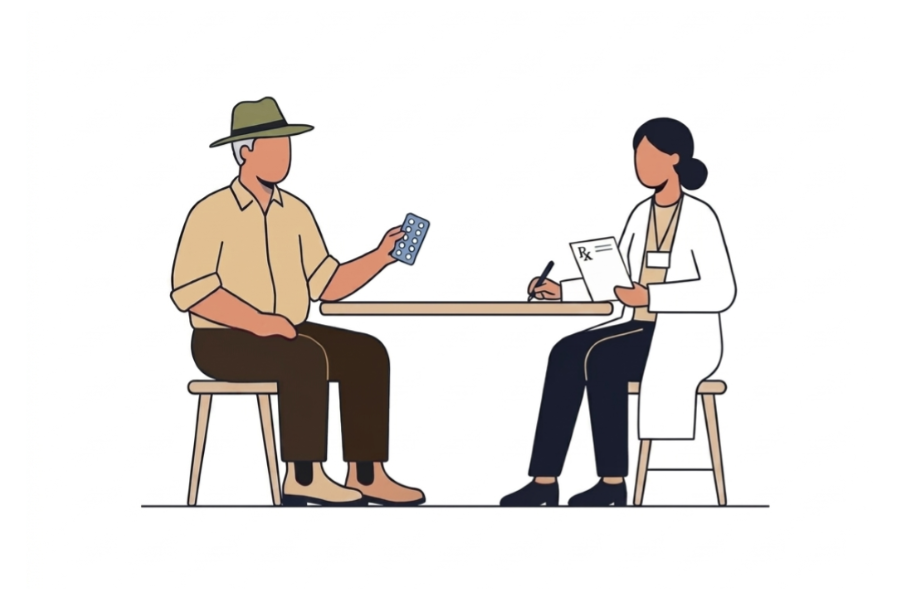
Pharmacists practicing in remote and isolated towns across Australia are expressing concerns around the ongoing viability of COVID vaccination services following the Pharmacy Program Administrator’s (PPA) announcement that payments for COVID vaccinations will reduce to align with NIPVIP rates and that rural loadings will no longer apply.
“It is already unviable for many remote and isolated pharmacies, under the current payment structure, to deliver vaccination services to their communities and this reduction in payment is likely to further exacerbate the barriers to delivery, leading to even poorer access to these services. This is particularly concerning given the relatively low uptake of COVID boosters nationally in the last six to twelve months and the continuing high rates of infection.
“RIPAA does agree that rural loadings should not extend to large regional cities such as Hobart and Cairns, as they have done, and is advocating that rural support should be reserved for the “real rural” communities that lack healthcare access and have higher workforce costs than regional centres.
Rural pharmacies receive support payments from the federal government in the form of the Regional Pharmacy Maintenance Allowance (RPMA) but according to RIPAA this program does not provide adequate supports to enable smaller isolated and remote pharmacies to deliver the expanding array of non-dispensing programs such as NIPVIP and COVID vaccinations.
“The RPMA was originally developed as a mechanism to ensure viable dispensaries in areas that may not otherwise be able to support a pharmacy, but this program has been subject to so much distortion over time that its original purpose has been lost and it is no longer clear what it is and is not meant to be covering.
“RPMA remains crucial to ensure the viability of pharmacies in thin markets, but it simply is not adequate to support services, where another pharmacist is needed to deliver those services. This includes vaccination programs and other pharmacy programs outside the Community Pharmacy Agreement such as Home Medicines Reviews (HMRs) and the Aged Care Onsite Pharmacist (ACOP).
RIPAA notes that the RPMA program has expanded considerably in recent years to provide supports to many more pharmacies than it used to, including pharmacies in highly accessible MM3 regional centres, that do not have the same high workforce expenses as the more remote pharmacies and have much higher and growing populations to draw upon for their viability.
“It is RIPAA’s view that the Regional Pharmacy Maintenance Allowance should be restored to its original scope of supporting RURAL and REMOTE pharmacies (MM4-7) as opposed to regional pharmacies. The program should be targeting Australia’s “keystone” pharmacies – the isolated and remote pharmacies in critical locations whose closure would directly create a pharmacy desert.
Since 60-day dispensing was introduced, RPMA has also become a crucial support to offset the financial impacts on these keystone isolated and remote pharmacies.
“The RPMA is helping to keep these dispensaries open and viable – but cannot at the same time be expected to cover the costs of an additional pharmacist that is needed to deliver expanded services. The RPMA, as its name conveys, is a “maintenance’’ allowance, not an expanded services allowance.
“If real rural pharmacies are to deliver expanded services, greater recognition must be given to the challenges and higher costs of delivering services in isolated rural and remote locations. Rural patients, especially those with otherwise limited access to care, want their pharmacies to be able to do more, and these pharmacies are doing their best to meet community needs, but the government must take a closer look at the costs and workload they are being expected to carry and ensure they are appropriately resourced to deliver.”